
Botox, Filler, and Laser Timelines: When You’ll See Each Result
You have a wedding, vacation, or milestone event circled on your calendar — and you want to look your absolute best when the day arrives.
Shannon Del Grande is now seeing patients in our Wayne/Chesterbrook office.

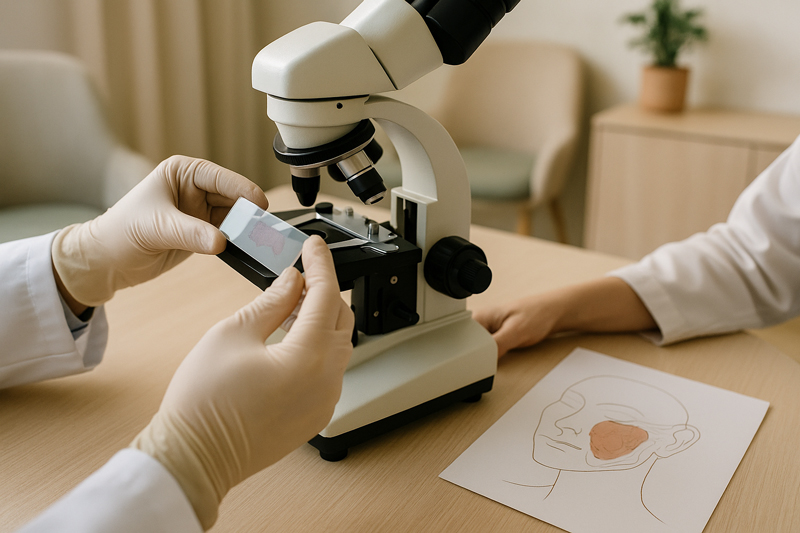
The answer lies in a technique that has transformed skin cancer treatment by combining the highest cure rates with the smallest possible scar. For facial skin cancers, precision matters — not just for clearing the cancer, but for preserving the function and appearance of delicate facial structures.
Mohs surgery is a precise, layer-by-layer technique where the surgeon removes thin slices of skin and examines each under a microscope before removing more. The process continues only until the margins are completely clear of cancer cells. Unlike other surgical approaches that remove a predetermined amount of tissue, this method allows the surgeon to see exactly where cancer cells remain and remove only what's necessary.
Developed by Dr. Frederic Mohs at the University of Wisconsin in the 1930s and refined over decades, this outpatient procedure — sometimes called Mohs micrographic surgery — has become the most precise way to treat common skin cancers. Patients across the Main Line now have access to this specialized technique without traveling to distant academic centers.
Three factors make Mohs surgery the preferred choice for facial skin cancers: exceptional cure rates, comprehensive margin evaluation, and maximum tissue preservation.
Mohs surgery: Mohs surgery offers cure rates up to 99% for primary basal cell carcinoma and approximately 94–97% for primary squamous cell carcinoma. (Johns Hopkins Medicine and American Academy of Family Physicians)
Standard excision: Roughly 93–95% cure rates for the same cancers
The difference matters: When treating cancer on your face, that 4–6% improvement in success rate becomes significant
Standard pathology: Standard pathology evaluates only a small percentage of the surgical margin using representative cross-sections ('bread-loaf' sectioning). (Dr. David Leffell, Yale Medicine)
Mohs surgery: Evaluates 100% of the margin in real time
Think of it this way: Examining the entire outer edge of the tissue rather than taking representative samples catches cancer cells that sampling might miss
Because the surgeon removes only confirmed cancerous tissue plus a minimal margin, every millimeter of healthy skin is spared. On areas where function and appearance intersect — near the eye, on the nose, around the lips — that precision becomes essential.
Mohs surgery works best for basal cell carcinoma (BCC) and squamous cell carcinoma (SCC) — the two most common skin cancers. These are the cancers that appear most frequently on sun-exposed areas of the face and neck.
The technique is particularly appropriate for:
Recurrent skin cancers that have returned after previous treatment
Aggressive subtypes such as morpheaform or infiltrative basal cell carcinoma, which tend to spread beneath the skin surface
Tumors with indistinct borders that make it difficult to see where the cancer ends
Lesions larger than 2 centimeters
Skin cancers in immunosuppressed patients, such as organ transplant recipients, who face higher recurrence risk
Traditional Mohs surgery is not typically used for most invasive melanomas, though specialized Mohs techniques may be appropriate for select melanomas in certain centers. Extensive tumors requiring multidisciplinary management or procedures beyond the scope of local anesthesia may not be appropriate for Mohs surgery alone. The AAD/ACMS Appropriate Use Criteria provide detailed guidance, but your dermatologist will make the final determination based on your specific diagnosis and circumstances.
Understanding the five-step process helps ease anxiety about what to expect on the day of your procedure.
Step 1 — Numbing: The surgeon injects local anesthesia at the site. You'll feel a brief pinch or sting, but you remain awake and alert throughout. Unlike other surgeries, Mohs uses only local numbing — no IV sedation or general anesthesia.
Step 2 — First excision: The surgeon removes the visible tumor plus a thin margin of surrounding skin. The tissue is marked with surgical dyes and mapped precisely to show exactly where each piece came from on your body.
Step 3 — Lab analysis: You'll wait 30 to 60 minutes while the tissue is frozen, sliced thin, and examined under a microscope. The Mohs surgeon reviews the tissue slides in real time to look for cancer cells at the edges. This same-day analysis eliminates the wait time of sending samples to outside labs.
Step 4 — Repeat only if needed: If cancer cells remain on a specific edge, the surgeon removes tissue only from that precise spot. Healthy tissue on cleared edges stays untouched. Most patients need 2–3 stages, though some require just one and others may need more.
Step 5 — Closing the wound: Once margins are clear, the surgeon discusses closure options. Small wounds may need simple stitches. Larger defects may require a skin flap — where adjacent skin is repositioned — or a skin graft taken from elsewhere on your body. Sometimes allowing the wound to close naturally produces the best cosmetic result. The choice depends on size and location.
Plan for 3–4 hours total. Each stage involves approximately 30 minutes of surgery plus 30–60 minutes of lab processing and waiting time. Most patients need 2–3 stages, though some require just one and others may need more.
For patients scheduling appointments at our Villanova or Collegeville locations, we recommend clearing your entire day. Bring a book or tablet for waiting periods, eat a normal breakfast before arriving, and wear comfortable clothing. If your surgery involves areas around the eyes or forehead, arrange for someone to drive you home as bandaging may temporarily limit your vision.
Yes, there will be a scar. However, Mohs preserves more healthy tissue than any other surgical technique, creating the smallest possible scar for the size of tumor removed. The trade-off between cancer clearance and cosmetic outcome is optimized in ways that standard excision cannot match.
The closure method affects the scar's appearance:
Simple stitches: Work well for small wounds and typically heal with a fine line
Skin flaps or grafts: Used for larger defects, these initially appear more noticeable but blend remarkably well over time when performed by an experienced surgeon
Second-intention healing: Allowing the wound to close on its own can produce excellent results in certain locations like the temple or near the ear
Your scar will go through natural changes as it heals — this is a normal part of the body's repair process. Initially, scars often appear pink or red and may feel slightly raised during the first several months after surgery. Over the following months, they gradually soften, flatten, and fade, becoming much less noticeable. Most patients see the best results around 9–12 months after their procedure, though healing can continue beyond that. As Dr. Leffell at Yale Medicine emphasizes, it's important to give your body time to complete this healing journey — the final cosmetic result is usually worth the patience. This natural healing process happens at its own pace and can't be rushed, but the end result is typically much better than patients expect during those early weeks.
For complex closures around the eyes, nose, or lips, your Mohs surgeon may coordinate with an oculoplastic or facial plastic surgeon for optimal reconstruction. This collaborative approach is routine practice for achieving the best functional and cosmetic outcomes — not a sign of complications.
The recovery timeline follows a predictable pattern for most patients.
Days 1–3: Mild to moderate pain is normal and typically well-managed with acetaminophen (Tylenol). Avoid non-essential aspirin, ibuprofen, and other NSAIDs unless your surgeon or prescribing physician advises otherwise. Swelling peaks around day three, especially for facial procedures. Ice packs applied for 15 minutes several times daily and sleeping with your head elevated help minimize swelling.
Week 1: Keep the wound bandaged and apply petroleum jelly as instructed by your surgeon to maintain a moist healing environment. Most patients with desk jobs return to work within 1–2 days. Avoid strenuous exercise, heavy lifting, and activities that raise your blood pressure for seven days to protect the sutures and reduce bleeding risk.
Weeks 2–6: Initial wound healing is usually complete by 4–6 weeks, though full scar improvement takes much longer. Follow up with your surgeon as scheduled so they can monitor healing and address any concerns.
Call your surgeon immediately if you notice fever, spreading redness or warmth around the wound, yellow or foul-smelling discharge, or bleeding that doesn't stop after 20 minutes of direct pressure. These symptoms may indicate infection or hematoma (blood collection) requiring prompt attention.
In the Philadelphia area, May marks Skin Cancer Awareness Month — an important reminder to examine your skin and schedule a screening if you notice concerning changes.
Watch for these red-flag patterns:
A sore that doesn't heal within a few weeks
A shiny, pearly bump that may have visible blood vessels
A scaly red patch that persists or grows
A mole that changes in size, shape, color, or texture
The ABCDE framework helps identify suspicious moles:
Asymmetry — one half doesn't match the other
Border — irregular, notched, or blurred edges
Color — multiple colors or uneven distribution
Diameter — larger than 6 millimeters (about the size of a pencil eraser)
Evolving — any change in size, shape, color, or symptoms
If you've noticed any of these signs, schedule a skin cancer screening with a board-certified dermatologist. Early detection significantly improves outcomes and often allows for less invasive treatment options.
The local anesthesia injection causes a brief pinch and burning sensation lasting 10–15 seconds. Once numb, you won't feel pain during the actual tissue removal, though you may feel pressure or tugging. After the anesthesia wears off several hours later, most patients describe the discomfort as mild and easily managed with over-the-counter acetaminophen.
Most insurance plans, including Medicare, cover Mohs surgery when medically necessary — meaning the cancer meets clinical criteria for this specialized treatment. Coverage typically requires documentation that the cancer is located in a high-risk area, has aggressive features, is recurrent, or meets other appropriate-use criteria. Our billing staff can verify your coverage and explain any out-of-pocket costs before your procedure.
It depends on the location. Since only local anesthesia is used, most patients can drive themselves home safely. However, if your surgery involves the forehead, temple, or area around the eyes where bandaging might obstruct vision, arrange for someone to drive you. When scheduling your appointment at our Wayne or Villanova offices, ask whether you'll need a driver based on your specific surgery site.
Wait until your sutures are removed — typically 7–14 days depending on location — and your surgeon confirms the wound has sealed. Once cleared, non-irritating, fragrance-free makeup products are generally preferred while the skin continues healing. Avoid products with fragrances or harsh chemicals for at least another week. Your surgeon will provide specific guidance based on how your wound is healing.
If you've noticed a suspicious spot on your face or have been diagnosed with skin cancer, Bryn Mawr Dermatology's board-certified Mohs surgeons serve patients across the Main Line in Villanova, Collegeville, and Wayne. Our specialized team combines precise surgical technique with a commitment to optimal cosmetic outcomes. Schedule a skin cancer screening or consultation today to discuss your treatment options and receive care close to home.

Published By: Bryn Mawr Dermatology
Medically Reviewed By: Christine Stanko, MD, FAAD
You have a wedding, vacation, or milestone event circled on your calendar — and you want to look your absolute best when the day arrives.

Table of Contents Introduction After months of relying on rich moisturizers, thick balms, and barrier-repair creams, spring is the season when many of those winter
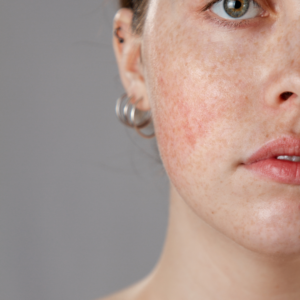
One of the most common skin concerns is facial redness, and it is also one of the most misunderstood. Occasional flushing is mostly harmless, but persistent redness may indicate a chronic condition like rosacea.
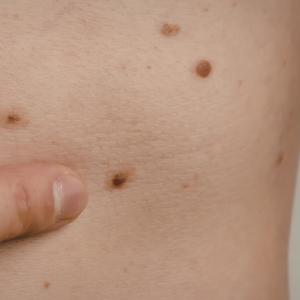
Don’t wait for summer to prioritize your skin health. Book your annual skin check today. Call us to schedule your appointment.

Discover how multifrax compares to traditional fractional lasers and why it delivers better precision and faster recovery.
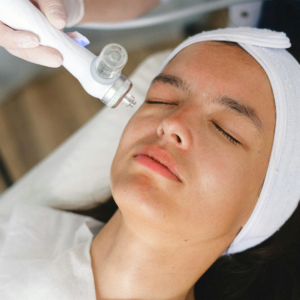
Winter is the ideal time for peels, lasers, and CO₂ treatments with less sun exposure, smoother recovery, and better skin results.
By: Bryn Mawr Dermatology, Published: June 25, 2024
Medically Reviewed By: Christine Stanko, MD, FAAD – June 25, 2024
For COSMETIC APPOINTMENTS:
For MEDICAL APPOINTMENTS: