

Shannon Del Grande is now seeing patients in our Wayne/Chesterbrook office.

Is My Skin Red or Do I Have Rosacea? How to Know

Table of Contents

Introduction

One of the most common skin concerns is facial redness, and it is also one of the most misunderstood. Occasional flushing is mostly harmless, but persistent redness may indicate a chronic condition like rosacea, which affects an estimated 5% of the global population and often goes undiagnosed.

Rosacea is an inflammatory skin condition that occurs and develops over long periods of time. It typically affects the central face, especially the cheeks, nose, forehead, and chin. It can appear as flushing, visible blood vessels, or acne-like bumps, and symptoms often come and go in cycles.

Redness can be caused by many factors including environmental triggers and skin sensitivity. It’s not always easy to tell whether what you’re experiencing is temporary irritation or something more persistent like rosacea.

In this article, we’ll break down how to tell the difference between normal skin redness and rosacea, review the key signs to look for, and explain when it’s time to seek professional evaluation. For a deeper clinical overview of rosacea, you can explore this trusted resource from the National Institutes of Health (NIH) Rosacea Overview.

If you’re already noticing ongoing redness or sensitivity, you can also learn more about evaluation and treatment options at Bryn Mawr Dermatology, where personalized care can help clarify your diagnosis and guide next steps.

While this article spells out some important information about Rosacea, we highly recommend you read the full article, here are the key points we will focus on:

What Is Rosacea?

Rosacea is more than just occasional redness. It is a chronic inflammatory skin condition, that if left unmanaged it can affect both the appearance and sensitivity of the skin. Initially, it can go unnoticed, but over time, it can evolve into more persistent and noticeable symptoms.


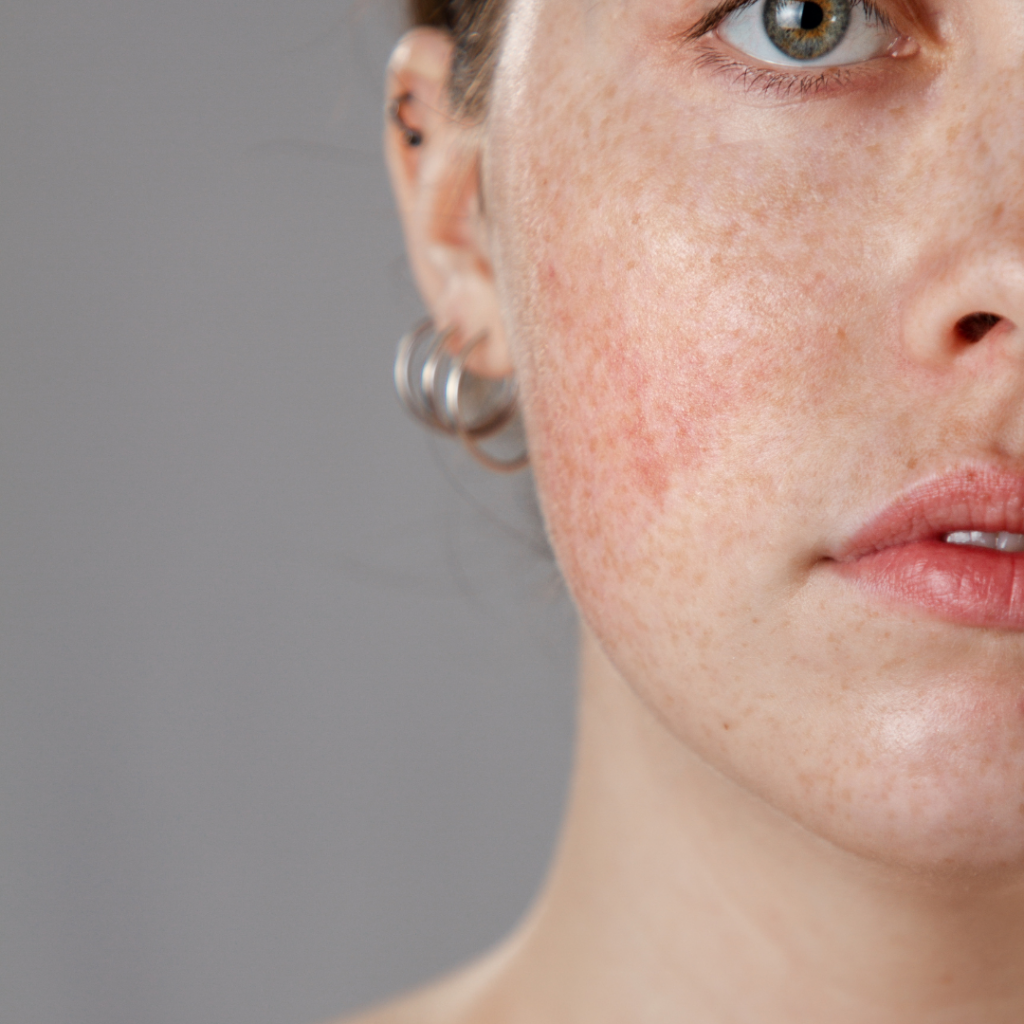
Clinically, rosacea most commonly presents as facial flushing, persistent redness (erythema), visible blood vessels (telangiectasia), and in some cases, acne-like bumps. You can usually see the redness confined to the center of the face. It usually swings back and forth between flare-ups and remissions.


Epidemiologically, rosacea is estimated to affect over 415 million people worldwide, with higher prevalence among individuals aged 30–50 and those with fair skin. Studies have also shown that up to 40% of patients report a family history, suggesting a genetic component.


Additionally, research published through institutions like the National Institutes of Health highlights the role of immune system dysregulation and vascular sensitivity in its development.


Although rosacea is not dangerous, early recognition is important, timely diagnosis and treatment can significantly reduce symptom progression and improve skin health over the long term.

What Does Rosacea Actually Look Like?

Rosacea can present differently from person to person, which is why it’s often mistaken for general sensitivity or acne. Understanding its visual patterns is key to recognizing when redness may be something more persistent.

Common signs of rosacea include:

  • Persistent redness across the cheeks, nose, forehead, or chin
  • Frequent flushing or blushing that lingers longer than expected
  • Visible, broken blood vessels (often called “spider veins”)
  • Small red bumps or pus-filled pimples that resemble acne
  • Burning, stinging, or heightened skin sensitivity
  • Dry, rough, or scaly patches
  • In some cases, thickened skin, particularly around the nose


Rosacea typically begins with episodes of flushing that gradually become more constant over time. What may initially appear as mild redness after triggers like heat, stress, or certain foods can evolve into a more permanent background redness with visible blood vessels.

In some individuals, inflammatory bumps develop alongside redness, which can easily be confused with acne, but unlike acne, rosacea does not involve blackheads. The skin may also feel more reactive overall, with increased sensitivity to skincare products, weather changes, or environmental factors.

What Are the Most Common Triggers?

Rosacea flare-ups are often influenced by everyday factors that increase blood flow to the skin or trigger inflammation. Identifying these triggers is a key part of managing symptoms and reducing the frequency of flare-ups.

Research from the National Rosacea Society shows that sun exposure aggravates rosacea in 81% of patients and emotional stress in 79%, and many identify multiple factors that worsen their symptoms over time.

Common rosacea triggers include:

  • Sun exposure (one of the most frequently reported triggers)
  • Heat, hot weather, or hot baths/showers
  • Spicy foods
  • Alcohol, particularly red wine
  • Emotional stress or anxiety
  • Strenuous exercise
  • Wind or cold weather
  • Skincare products that irritate or disrupt the skin barrier


Triggers vary widely between individuals, which is why rosacea can feel unpredictable. What causes a flare in one person may not affect another at all. However, environmental factors, especially sun exposure and temperature changes, are consistently among the most reported contributors.

Over time, repeated exposure to triggers can make redness more persistent, as the skin’s blood vessels become increasingly reactive. Keeping a simple record of flare-ups and potential triggers can help identify patterns, making it easier to avoid or minimize exposures and better control symptoms.

Is It Just Redness, or Could It Be Something Else?

Not all facial redness is rosacea, many skin conditions can look similar, which makes it easy to misidentify what’s really going on. Distinguishing between temporary irritation and a chronic condition is key to choosing the right treatment approach.

Other common causes of facial redness include:

  • Acne (typically includes blackheads, whiteheads, or cysts)
  • Eczema (often accompanied by itching, dryness, and flaking)
  • Contact dermatitis (triggered by new skincare or environmental irritants)
  • Sunburn or windburn (usually short-term and linked to exposure)
  • Allergic reactions (may include swelling or hives)
  • Seborrheic dermatitis (redness with greasy scales, often around the nose and eyebrows)


While these conditions can overlap in appearance, rosacea tends to follow a distinct pattern—persistent central facial redness, visible blood vessels, and flare-ups triggered by specific environmental or lifestyle factors. Unlike acne, rosacea does not involve clogged pores, and unlike eczema, it typically does not cause intense itching.

Because symptoms can mimic one another, self-diagnosis isn’t always reliable. If redness is ongoing, worsening, or accompanied by sensitivity or bumps, a professional evaluation can help confirm whether it’s rosacea or another condition, and ensure you’re treating it effectively rather than unintentionally making it worse.

What Are the Four Types of Rosacea and Which One Might You Have?

Rosacea isn’t a one-size-fits-all condition—it’s classified into subtypes based on how it appears and progresses. Understanding these distinctions can help clarify your symptoms and guide more targeted treatment.

Clinical research supported by organizations like the National Institutes of Health shows that many patients experience features of more than one subtype at the same time, which is why proper diagnosis is essential.

The four main types of rosacea include:

  • Erythematotelangiectatic Rosacea (ETR):
    Characterized by persistent redness and visible blood vessels, especially across the cheeks and nose. Flushing is common, and the skin may feel sensitive or easily irritated.
  • Papulopustular Rosacea:
    Often mistaken for acne, this type includes red bumps and pus-filled pimples along with facial redness. Unlike acne, blackheads are typically absent.
  • Phymatous Rosacea:
    A rarer but more severe form that leads to thickened, bumpy skin, most commonly affecting the nose (a condition known as rhinophyma).
  • Ocular Rosacea:
    Affects the eyes rather than just the skin, causing redness, dryness, irritation, and a gritty or burning sensation. It’s frequently overlooked or misdiagnosed.


While these categories help define rosacea, many individuals experience overlapping symptoms, making self-identification challenging. Recognizing your specific pattern is important, not just for diagnosis, but for choosing treatments that effectively address your unique presentation.

What Treatments Actually Work for Rosacea?

While rosacea can’t be permanently cured, it can be effectively managed with the right combination of treatments and lifestyle adjustments. The goal is to reduce inflammation, control flare-ups, and improve overall skin appearance.


Clinical guidance from the American Academy of Dermatology shows that a tailored, multi-approach treatment plan significantly improves symptoms in most patients, particularly when started early and adjusted over time.

Common and effective rosacea treatments include:

  • Topical medications:
    Prescription creams or gels (such as metronidazole, azelaic acid, or ivermectin) help reduce redness, inflammation, and breakouts.
  • Oral medications:
    Low-dose antibiotics may be used for their anti-inflammatory effects in moderate to severe cases.
  • Laser and light-based therapies:
    Treatments like vascular lasers or IPL (intense pulsed light) can visibly reduce redness and broken blood vessels.
  • Trigger management:
    Identifying and avoiding personal triggers, such as sun exposure, heat, or certain foods, is a critical part of long-term control.
  • Gentle skincare routines:
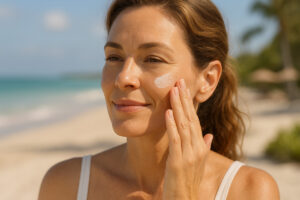
    Using non-irritating cleansers, moisturizers, and daily broad-spectrum sunscreen helps protect the skin barrier and minimize flare-ups.
  • Lifestyle adjustments:
    Managing stress, avoiding extreme temperatures, and making dietary changes can all contribute to fewer and less severe symptoms.


Because rosacea varies from person to person, treatment is rarely one-size-fits-all. A personalized plan developed with a dermatology provider ensures the most effective and sustainable results.

Can Rosacea Go Away on Its Own?

It’s a common question, especially when symptoms come and go, but rosacea typically doesn’t resolve without some form of management. While flare-ups may temporarily subside, the underlying condition usually persists.

Key things to understand:

  • Rosacea is a chronic (long-term) inflammatory condition
  • Symptoms often cycle between flare-ups and periods of relative calm
  • Without treatment, redness can become more persistent over time
  • Early intervention can help prevent progression and worsening symptoms
  • Trigger avoidance alone may reduce flares but rarely eliminates the condition


In many cases, people notice that their skin looks better for weeks or even months, leading them to believe the issue has been resolved. However, these periods of improvement are usually temporary. Over time, untreated rosacea can become more noticeable, with longer-lasting redness and increased skin sensitivity.

How Can Bryn Mawr Dermatology Help You Treat Rosacea?

Persistent redness can be confusing, but as we’ve covered, rosacea has distinct patterns, triggers, and treatment pathways that require expert evaluation. Identifying the right diagnosis is the first step toward getting your skin back under control.


At Bryn Mawr Dermatology, care is personalized, evidence-based, and tailored to your specific skin type and rosacea subtype. Rather than a one-size-fits-all approach, their team develops customized treatment plans that may include prescription therapies, advanced laser options, and guidance on trigger management, all designed to deliver long-term results.


What sets Bryn Mawr Dermatology apart is their combination of clinical expertise and patient-centered care. From your initial consultation to ongoing follow-up, the focus is on precision, comfort, and outcomes, ensuring your treatment evolves as your skin improves.

Schedule an Appointment with Bryn Mawr Dermatology Today

If you’re dealing with ongoing redness or think you may have rosacea, the next step is a professional evaluation. Request a consultation to receive a personalized treatment plan tailored to your needs. You can also call (610) 525-7800 to get started.
Bryn Mawr Dermatology

Content Review Committee at Bryn Mawr Dermatology

Led by Board Certified Dermatologist, Christine Stanko, MD, FAAD, Bryn Mawr Dermatology incorporates a patient-focused outlook in every decision since we first opened our doors on the Main Line in 2005.

Published By: Bryn Mawr Dermatology
Medically Reviewed By: Christine Stanko, MD, FAAD

Related Content

Bryn Mawr Dermatology

Content Review Committee at Bryn Mawr Dermatology

Led by Board Certified Dermatologist, Christine Stanko, MD, FAAD, Bryn Mawr Dermatology incorporates a patient-focused outlook in every decision since we first opened our doors on the Main Line in 2005.

By: Bryn Mawr Dermatology, Published: June 25, 2024
Medically Reviewed By: Christine Stanko, MD, FAAD – June 25, 2024

Your Skin is Our Business.

For COSMETIC APPOINTMENTS:

For MEDICAL APPOINTMENTS:

NEW & IMPROVED ONLINE SCHEDULING – BOOK NOW!
Call Now Button