Medically reviewed by Christine Stanko, MD, FAAD and Theresa Kueny, PA-C · Reviewed August 20, 2026
It is the middle of July. You catch sight of yourself in bright, unforgiving light and decide to finally do something about your skin. Then the second thought arrives, the one that stalls most people for another three months: is now a bad time?
The honest answer is that it depends entirely on which treatment you have in mind. Sun exposure does not put cosmetic dermatology on hold — it changes the order you do things in. Some skin rejuvenation treatments belong in any month of the year. Others are genuinely better scheduled when staying out of the sun is easy rather than aspirational. Knowing which is which is the difference between waiting all summer for no reason and rushing into something that would have been better in October.
Why Sun Exposure Changes What's Safe to Treat
Photosensitivity is a plain-language way of saying that skin reacts more strongly to ultraviolet light than it normally would. Certain cosmetic treatments leave skin in that state temporarily, which is why the aftercare instructions you receive are usually about shade, hats, and sunscreen rather than anything complicated.
The reason those instructions matter comes down to pigment. The American Academy of Dermatology advises protecting your skin from the sun before a peel, because doing so helps prevent discolored skin from developing after treatment. Temporary darkening of treated skin is a recognized side effect of peels, and it is the outcome careful timing is designed to avoid.
That risk is not distributed evenly across every patient. People with skin of color can develop lasting pigment problems if a peel is not selected and performed with skin tone in mind. That is not an argument against treatment — it is an argument for having it done by a board-certified dermatologist who chooses the treatment and the settings for the skin in front of them. Most patients who are treated appropriately heal without any lasting color change at all.
Treatments You Can Have Year-Round
The useful question is not what season it is. It is whether a given treatment works by targeting pigment, or by breaking the surface of the skin. When the answer to both is no, the calendar stops being the deciding factor.
Ultrasound-based tightening. Treatments that tighten skin with ultrasound energy send that energy beneath the surface rather than removing or lightening it, so sun exposure is generally not the limiting factor in scheduling them.
Microneedling. This treatment creates controlled micro-injuries that prompt your own skin to produce collagen, which is why it is also called collagen induction therapy. It is minimally invasive, safe for all skin tones, and low on downtime — redness or darkening usually settles within a few days to a week. The caution here is diligent sun protection while your skin recovers, not avoiding the treatment altogether.
Injectables. Neuromodulators such as Botox, Dysport, and Xeomin work in the muscle beneath the skin rather than on pigment or the skin surface, so there is no seasonal reason to postpone them.
Treatments Better Timed for Cooler Months
Three categories deserve real planning, and all three come back to the same two variables: does it injure the surface, and does it chase pigment.
Ablative and resurfacing lasers. Lasers that resurface the top layer of skin work by removing or injuring it, and freshly healing skin needs strict sun avoidance while it repairs. That is far easier to commit to in November than in a week that includes a beach day.
Pigment-targeting light treatments. Devices that seek out pigment cannot tell the difference between a sun tan and the brown spots you actually came in to treat, which is why recent sun exposure changes the risk calculation.
Deeper chemical peels. With a peel, the depth of the treatment drives everything. Healing time varies accordingly: a light peel heals in about one to seven days, a medium peel in seven to fourteen days, and a deep peel in fourteen to twenty-one days. A deep peel specifically means recuperating at home for two to three weeks. A light peel is a different conversation from a deep one, and your dermatologist will match the depth to both your skin and your schedule.
How to Plan So You Look Right by Fall
The most common planning mistake is not choosing the wrong treatment. It is booking too late for anything that works by rebuilding collagen. Those results appear gradually as your body produces collagen — you may see improvement within a few weeks, but full results usually take several months. If you want to look a particular way for an event, count backward from the date, not forward from today.
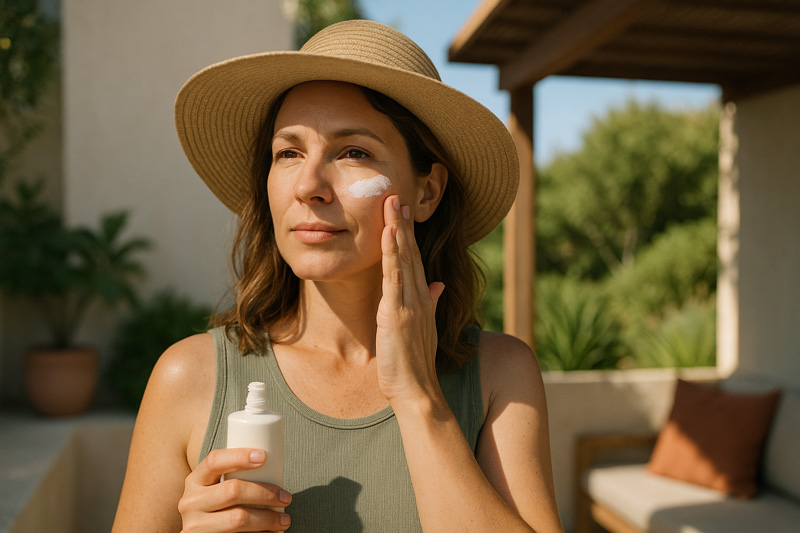
Sunscreen belongs in that plan too, and not only as a safety instruction. Protecting your skin from the sun and not smoking are two of the ways to slow how much collagen your skin loses in the first place. So daily sun protection is quietly doing some of the same work you are paying a treatment to do. And once skin has healed after a peel, applying sunscreen every day helps maintain the result. Treatments that improve pigment and then get undone by unprotected sun exposure are the most avoidable disappointment in cosmetic dermatology.
Questions Patients Ask
Can you get laser treatments in the summer?
It depends on what the laser is designed to do. Devices that resurface the skin or target pigment are the ones most affected by recent and upcoming sun exposure. They are often better scheduled for a stretch when you can stay covered while you heal. A consultation is the fastest way to find out whether your specific goal falls into that category.
Is it safe to get Botox in the summer?
Neuromodulator injections are not pigment-based or surface-resurfacing treatments, so the seasonal question that applies to lasers and peels does not apply in the same way.
What cosmetic treatments can you do in summer?
Generally, the ones that neither remove the skin surface nor target pigment: ultrasound-based tightening, microneedling, and injectables. Microneedling in particular is minimally invasive, safe for all skin tones, and low on downtime, provided you protect the treated skin while it heals.
How long does sun sensitivity last after a laser treatment?
The honest answer is that it varies with the device and how deeply it treats, so your dermatologist should give you a specific window rather than a general rule. For comparison, peel healing runs from about one to seven days for a light peel up to fourteen to twenty-one days for a deep one. Daily sunscreen continues well past the point where the skin looks healed.
Talk to a Dermatologist About Timing
Not sure which treatment fits your skin and your timeline? Bryn Mawr Dermatology's board-certified dermatologists see patients by appointment at three Pennsylvania locations — Villanova, Collegeville, and Wayne/Chesterbrook. You can find the treatment that fits your skin or request an appointment online.
This article is for general educational purposes and is not medical advice. It is not a substitute for an evaluation by a qualified clinician. Individual results, candidacy, and recovery vary; please discuss your own skin, medical history, and treatment options with a board-certified dermatologist.