Shannon Del Grande is now seeing patients in our Wayne/Chesterbrook office.

Why Winter Is the Ideal Season for Peels, Lasers, and CO₂ Treatments

Introduction

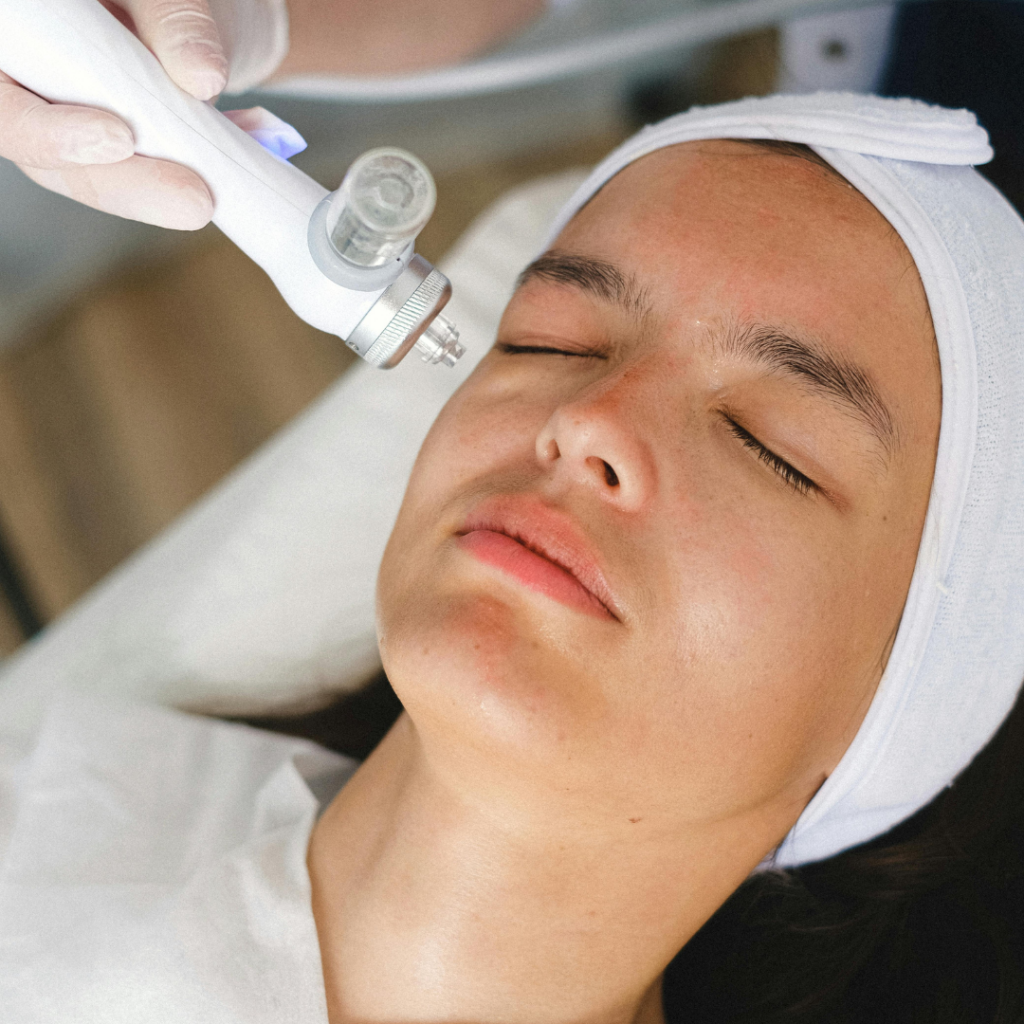
Winter isn’t just for cozy sweaters, it’s also the best time to refresh your skin. Cooler weather and lower sun exposure make it safer to get treatments like chemical peels, laser therapy, and CO₂ resurfacing, with less risk of dark spots or irritation.

In this article, we’ll explain why winter is the perfect season for these procedures, what to expect during recovery, and how Bryn Mawr dermatology experts help you get the best results. If you’re thinking about a peel, laser, or CO₂ treatment, now is the time to plan ahead and give your skin the care it deserves.

Check out our laser and skin resurfacing treatments to see how we can help you look and feel your best this winter.

While this article spells out some important information about Peels, Lasers, and CO2 Treatments, we highly recommend you read the full article, here are the key points we will focus on:

Table of Contents

Lasers

Why Does Winter Provide the Best Environment for Skin Treatments?

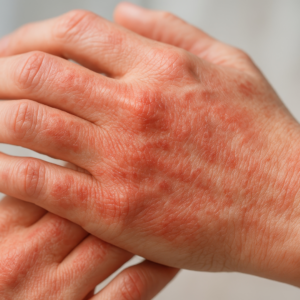
Winter creates the ideal setting for many skin treatments, making procedures safer and recovery smoother. With shorter days and lower sun intensity, your skin gets a break from UV exposure, which can otherwise cause irritation or pigmentation after treatments.

Studies show that post-procedure pigmentation and inflammation are significantly lower when treatments are done during months with minimal sun exposure. Cooler temperatures also help calm the skin, reducing redness and swelling, and giving your results the best chance to shine.

How Does Less Sun Exposure Improve Treatment Results?

One of the biggest reasons winter is perfect for skin treatments is that your skin gets a natural break from the sun. Less UV exposure means your skin can heal more safely and give you better results.

  • Safer recovery: Without the stress of strong sunlight, treated skin is less likely to burn, redden, or become irritated.

  • Lower risk of hyperpigmentation: UV rays can trigger dark spots or uneven coloring after treatments like peels or lasers—less sun means less risk.

  • More consistent results: When your skin isn’t constantly reacting to sunlight, treatments have a better chance to work evenly and effectively.

By avoiding strong sun exposure, you reduce the chances of complications and help your skin recover faster. Treatments performed in winter give your skin the calm, low-stress environment it needs to heal beautifully, so your results look smoother, brighter, and longer-lasting.

Why Is Downtime Easier to Manage in Winter?

Winter naturally makes it easier to handle the short recovery period that comes with skin treatments. Cooler temperatures, indoor routines, and fewer outdoor social events give your skin the quiet time it needs to heal without disruption.

Studies show that downtime from procedures like chemical peels, laser therapy, and CO₂ resurfacing is more manageable when patients can stay out of the sun and wear protective clothing.

Layered clothing can help cover treated areas, and winter’s slower social calendar makes it easier to take a few days for skin recovery. Redness, peeling, or mild swelling are normal parts of the healing process, and having the flexibility to stay cozy indoors allows these effects to pass comfortably. Planning treatments during winter gives you the chance to recover fully while still keeping your daily routine under control.

Which Chemical Peels Are Best Performed During Winter?

Winter is the perfect time for more intensive chemical peels, giving your skin the calm, low-UV environment it needs to heal safely. Cooler months make it easier to manage the recovery process and get the full benefits of deeper treatments.

  • Medium to deep peels: These peels reach below the surface, promoting controlled exfoliation and stimulating collagen production for smoother, brighter skin.
  • Reduced risk of pigmentation: Less sun exposure lowers the chance of post-peel dark spots or uneven coloring.
  • Longer-lasting results: Healing in a low-UV environment helps maximize the effects of the peel and maintain skin improvements over time.

Medium and deep chemical peels work by gently removing layers of damaged skin, revealing fresh, rejuvenated skin underneath. In winter, your skin is less likely to react to sunlight or heat, making recovery smoother and safer. By timing these treatments for the colder months, you give your skin the perfect conditions to heal, boost collagen, and achieve more radiant, even-toned results.

Why Are Laser Treatments More Effective in Colder Months?

Laser treatments work best when your skin isn’t constantly exposed to the sun, making winter the ideal time to schedule them. Cooler months help your skin heal safely and allow treatments to deliver the best results.

  • Targeted results: Lasers improve pigmentation, reduce redness, and smooth skin texture more effectively when UV exposure is low.
  • Faster, safer healing: Colder weather lowers the risk of irritation, sunburn, or inflammation after treatment.
  • Long-term benefits: Avoiding sun stress helps maintain even, lasting results and reduces the chance of complications.

Laser procedures work by precisely targeting areas of concern, like dark spots, broken capillaries, or uneven skin texture. After treatment, the skin is more sensitive and requires careful protection from UV rays. Winter naturally reduces sun exposure, giving treated skin the calm environment it needs to recover fully. Scheduling lasers during the colder months not only improves safety but also helps you achieve smoother, brighter, and more even-looking skin.

Why Is Winter Ideal for CO₂ Laser Resurfacing?

 CO₂ laser resurfacing is an intensive treatment that can transform your skin, and winter provides the safest, most supportive environment for healing. With shorter days and lower sun exposure, your skin has the space it needs to recover fully and achieve long-lasting results.

Studies show that post-procedure complications, like pigmentation changes or irritation, are significantly lower when CO₂ treatments are performed during months with minimal UV exposure.

CO₂ laser resurfacing works by removing damaged skin layers and stimulating collagen production deep within the skin. Because recovery can take several days to a couple of weeks, the cooler, low-UV winter months make it easier to manage redness, peeling, and sensitivity. Over time, this controlled healing promotes collagen remodeling, leading to smoother, firmer, and more youthful-looking skin that lasts well beyond the season.

How Can Bryn Mawr Dermatology Support Your Winter Skin Treatments?

Winter is the perfect time for peels, lasers, and CO₂ resurfacing, and Bryn Mawr Dermatology is here to make the process safe, effective, and comfortable. Our experienced team customizes every treatment to your skin’s needs, using advanced technology and proven techniques to deliver long-lasting results.

Unlike other clinics, we focus on personalized care, careful planning, and expert follow-up, ensuring your skin heals smoothly and looks its best.

Schedule your winter skin treatment today by booking a consultation. Our Bryn Mawr office is welcoming and fully equipped, so you’ll feel at ease from the moment you arrive. Call us at (610) 525-7800 to get started and take advantage of the ideal season for rejuvenating your skin.

Related Content

Bryn Mawr Dermatology

Content Review Committee at Bryn Mawr Dermatology

Led by Board Certified Dermatologist, Christine Stanko, MD, FAAD, Bryn Mawr Dermatology incorporates a patient-focused outlook in every decision since we first opened our doors on the Main Line in 2005.

By: Bryn Mawr Dermatology, Published: March 4 2024
Medically Reviewed By: Christine Stanko, MD, FAAD –March 3, 2025

Your Skin is Our Business.

For COSMETIC APPOINTMENTS:

For MEDICAL APPOINTMENTS:

NEW & IMPROVED ONLINE SCHEDULING – BOOK NOW!
Call Now Button