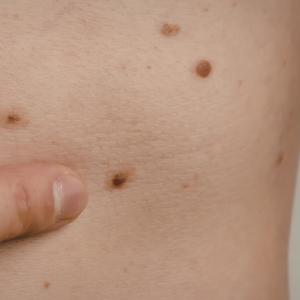
Don’t Wait for Summer to Think About Skin Cancer
Don’t wait for summer to prioritize your skin health. Book your annual skin check today. Call us to schedule your appointment.
Shannon Del Grande is now seeing patients in our Wayne/Chesterbrook office.

Did you know? According to the American Society of Plastic Surgeons, over 500,000 skin resurfacing laser treatments are performed each year in the United States alone, making it one of the most popular non-surgical cosmetic treatments. The aesthetic lasers market was valued at USD 3.23 billion in 2025 and is estimated to grow from USD 3.52 billion in 2026 to reach USD 5.43 billion by 2031, driven by high demand. Skin resurfacing has undergone significant evolution over the past decade, with fractional laser treatments becoming one of the most sought-after non-surgical aesthetic procedures.
MultiFrax represents the next step in fractional laser innovation. Unlike traditional fractional lasers that can take longer to heal and are more intense, MultiFrax uses precise microthermal zones to encourage collagen growth while allowing for quicker recovery and greater comfort for patients.
In this article, we will review how MultiFrax compares to traditional fractional lasers, explain the science behind its enhanced performance, and outline who may be the best candidate for this advanced treatment. Patients interested in learning more about personalized laser resurfacing options can explore comprehensive skin rejuvenation services and schedule a consultation with an experienced dermatology team.
While this article spells out some important information about Multifrax, we highly recommend you read the full article, here are the key points we will focus on:

As laser technology advances, patients increasingly seek treatments that deliver visible results with minimal downtime. MultiFrax is a next-generation fractional laser designed to stimulate collagen remodeling while reducing unnecessary thermal damage to surrounding tissue.
Clinical studies on fractional laser resurfacing show improvements of 40–60% in skin texture, fine lines, and acne scarring after a series of treatments, due to controlled dermal micro-injury that triggers new collagen production. Unlike traditional fractional lasers that often create deeper, more aggressive thermal zones and longer recovery periods, MultiFrax delivers precise microthermal columns with optimized energy control, supporting effective rejuvenation with faster healing and improved patient comfort.
When comparing MultiFrax to traditional fractional lasers, the key differences lie in precision, recovery time, and overall patient experience. Both technologies stimulate collagen production, but MultiFrax is engineered to deliver effective resurfacing with less collateral tissue injury.
Traditional fractional lasers can produce strong resurfacing effects but often require longer healing time, increased redness, and more post-procedure care. MultiFrax balances efficacy with safety by optimizing energy delivery, allowing patients to achieve meaningful improvements in texture and tone without extended interruption to daily activities.
For patients seeking measurable skin rejuvenation with a more refined recovery experience, MultiFrax offers a modern alternative to conventional fractional laser systems.
Choosing the right laser treatment depends on your skin type, the severity of concerns, and the desired downtime. MultiFrax is designed to stimulate collagen effectively while minimizing excessive thermal injury, offering a balanced approach between visible results and recovery time.
Clinical studies on fractional laser resurfacing show 40–60% improvement in acne scars and skin texture after a treatment series, with measurable collagen remodeling continuing for 3–6 months post-procedure. Research also indicates that fractional laser treatments can increase dermal collagen density by up to 25–30% over time, contributing to smoother skin and improved elasticity. Additionally, patient satisfaction rates for non-ablative fractional lasers often exceed 80–90%, particularly among individuals seeking gradual, natural-looking rejuvenation.
Better results ultimately depend on your goals. For patients looking to improve fine lines, uneven tone, mild to moderate scarring, and early skin laxity, without the prolonged downtime associated with more aggressive lasers, MultiFrax offers a strong combination of efficacy, safety, and patient comfort. A personalized consultation will help determine whether this advanced approach is the right fit for your skin.
Safety and comfort are major considerations when choosing any laser resurfacing treatment. While both MultiFrax and traditional fractional lasers are clinically effective, differences in energy delivery and tissue impact can influence recovery time and overall patient experience.
Traditional fractional lasers, particularly ablative systems, can produce dramatic resurfacing but often require longer recovery and closer post-procedure care. MultiFrax is designed to maintain clinical effectiveness while reducing excessive tissue injury, which contributes to improved comfort and a smoother healing process.
For patients seeking measurable skin rejuvenation with a safer recovery profile and minimal interruption to daily life, MultiFrax offers a refined and patient-centered alternative. A consultation can determine the most appropriate treatment based on skin type, goals, and medical history.
The number of Multifrax fractional RF microneedling treatments you will need depends on your skin goals, current skin condition, and how your body responds to collagen stimulation. While some patients notice improvement after one session, most benefit from a structured treatment plan.
Factors That Influence the Number of Multifrax Treatments
For most patients, 3–4 sessions spaced 4–6 weeks apart provide optimal results. Mild texture issues or early fine lines may improve with 1–2 treatments, while deeper acne scars or significant skin laxity may require 4–6 sessions.
Multifrax works by delivering radiofrequency energy through microneedles, stimulating collagen remodeling over time. Because collagen production continues for several months after each session, results progressively improve, meaning patience and proper spacing between treatments are key.
Choosing the right laser depends on your skin type, concern, lifestyle, and how much downtime you’re comfortable with. At Bryn Mawr Dermatology, treatment recommendations are personalised after a comprehensive skin evaluation to ensure both safety and optimal results.
Clinical studies show that fractional CO₂ laser resurfacing can improve acne scars and deeper wrinkles by 50–70% after one treatment, with continued collagen remodeling for several months. IPL (Intense Pulsed Light) has demonstrated a significant reduction in sun damage and pigmentation after a series of 3–5 sessions. For redness and vascular conditions, Vbeam® pulsed-dye laser has been shown to reduce rosacea-associated erythema in multiple sessions with minimal downtime. Meanwhile, Clear + Brilliant® treatments are clinically proven to improve tone and texture with a series of gentle, preventative sessions.
If your concern is deeper wrinkles, acne scars, or advanced sun damage, a CO₂ laser may be the most effective option, as it resurfaces the skin while stimulating new collagen formation. For pigmentation, uneven tone, or mild sun damage, IPL or Clear + Brilliant® may be recommended depending on the depth and severity of discoloration. Patients struggling with rosacea, facial redness, or broken capillaries often benefit most from Vbeam®, which specifically targets vascular lesions without damaging surrounding tissue.
The right choice ultimately depends on your skin’s condition and your goals. A consultation at Bryn Mawr Dermatology allows the provider to assess your skin tone, discuss your expectations, and design a treatment plan tailored to deliver safe, measurable, and long-lasting results.
Multifrax is an advanced fractional RF microneedling treatment that improves acne scars, fine lines, texture, and skin laxity by stimulating natural collagen production. As discussed above, results develop gradually and are customized based on your skin type, goals, and the number of sessions recommended.
At Bryn Mawr Dermatology, Multifrax is performed within a physician-led dermatology practice, not a med spa, ensuring your treatment plan is grounded in medical expertise and long-term skin health. Each patient receives a comprehensive skin evaluation to determine whether Multifrax is the best option or whether another in-office laser or rejuvenation treatment may better achieve your goals. This individualized approach helps maximize results while maintaining safety and comfort.
If you are ready to improve your skin’s tone, texture, or firmness with Multifrax, schedule a consultation with our dermatology team. Call (610) 525-7800 or request an appointment through the Bryn Mawr Dermatology website to get started. We look forward to caring for you.
Published By: Bryn Mawr Dermatology
Medically Reviewed By: Christine Stanko, MD, FAAD
Don’t wait for summer to prioritize your skin health. Book your annual skin check today. Call us to schedule your appointment.
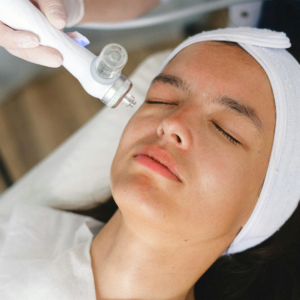
Winter is the ideal time for peels, lasers, and CO₂ treatments with less sun exposure, smoother recovery, and better skin results.
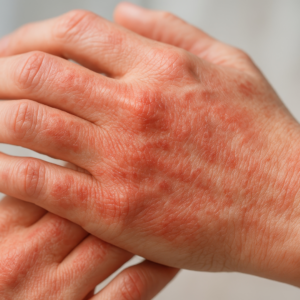
Learn how to prevent and treat winter skin flare-ups with expert tips on hydration, skincare routines, and in-office treatments.

Healthy Skin Month is here! Discover how to protect your skin this winter and book your skincare consultation today!
Celebrate Skincare Awareness Month by making your skin health a top priority. Discover expert tips and book your appointment today!
Do you want to fade acne scars, smooth wrinkles, or remove unwanted hair? Learn how laser skin treatments can help!
For COSMETIC APPOINTMENTS:
For MEDICAL APPOINTMENTS: