Shannon Del Grande is now seeing patients in our Wayne/Chesterbrook office.

How to Prevent and Treat Winter Skin Flare-Ups

Introduction

Studies show that cold weather and low humidity are key contributors to dry, irritated skin and eczema flares during winter months. Flare-ups occur when the skin loses moisture faster than it can replenish itself, weakening its protective barrier. This can lead to redness, itching, inflammation, cracking, and increased sensitivity, especially for individuals with pre-existing skin conditions or sensitive skin types. Without proper care, these flare-ups can persist throughout the season, significantly affecting comfort and quality of life.

In this article, we’ll cover why winter triggers skin flare-ups, how to prevent them with the right skincare strategies, and which treatment options can help calm and repair irritated skin. You’ll also learn when it’s time to seek professional dermatologic care to prevent symptoms from worsening.

While this article spells out some important information about Winter Skin Flare-Ups, we highly recommend you read the full article, here are the key points we will focus on:

Table of Contents

Winter Skin Flare-Ups

What Causes Skin Flare-Ups During the Winter?

Winter brings a perfect storm of conditions that can irritate your skin. As temperatures drop and the air becomes drier, your skin loses moisture more quickly, making it harder to stay balanced and comfortable, especially if you already have a skin condition.

Some of the most common winter triggers include:

  • Cold, dry air: Low humidity outdoors pulls moisture from your skin, leaving it dry, tight, and more prone to redness and irritation.
  • Indoor heating: While it keeps us warm, heated indoor air is arid and can further strip moisture from your skin throughout the day.
  • A weakened skin barrier: When skin becomes dry, its protective barrier can crack, allowing irritants and allergens to trigger inflammation and flare-ups.
  • Less natural oil production: In colder weather, your skin produces fewer natural oils, which are essential for locking in moisture and protecting against irritation.

What Conditions Flare Up During the Winter?

When winter weather sets in, certain skin conditions are more likely to act up. The combination of dry air, cold temperatures, and indoor heating can make already sensitive skin harder to manage, leading to more frequent or more intense flare-ups.

Common conditions that tend to worsen during the winter include:

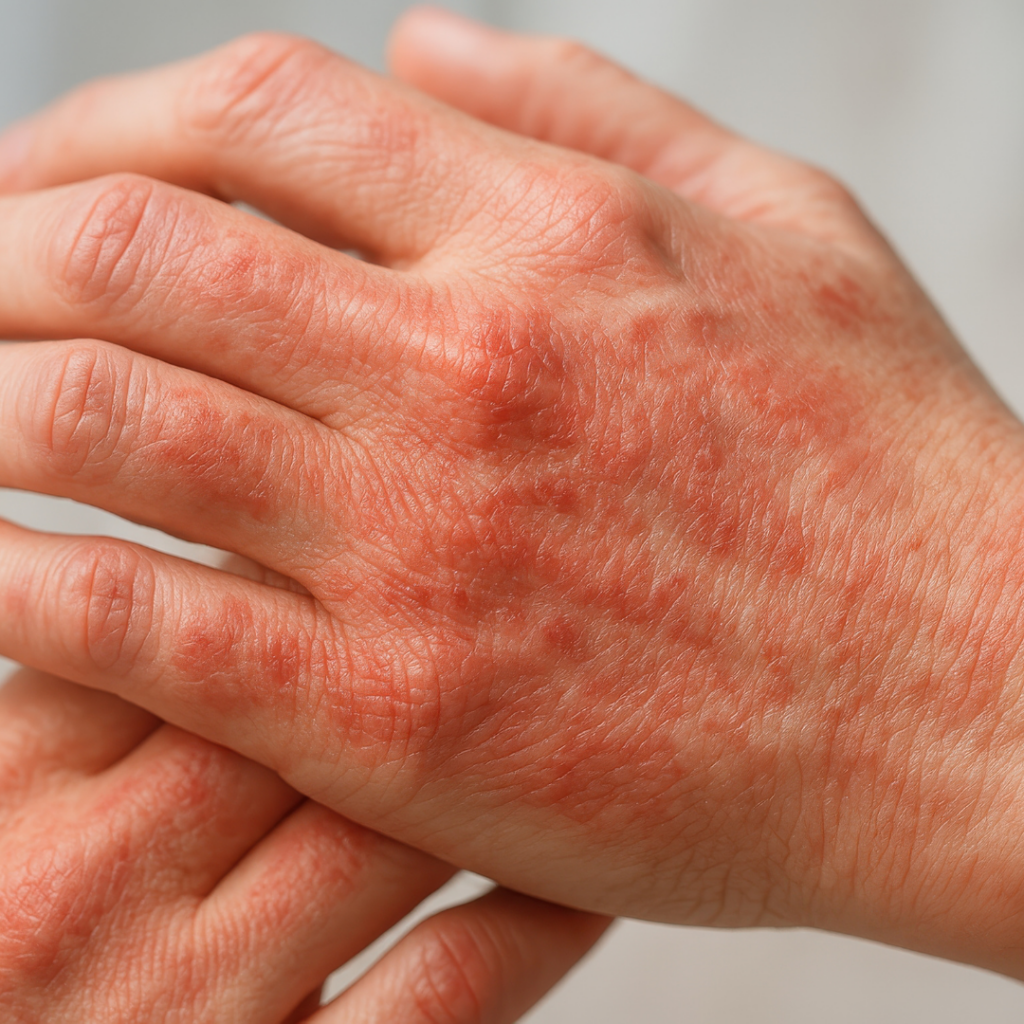
  • Eczema (atopic dermatitis): Cold, dry air pulls moisture from the skin, weakening the skin barrier and making eczema more prone to itching, redness, and cracking. Frequent handwashing and hot showers can also worsen symptoms during colder months.
  • Perioral dermatitis: Winter dryness and irritation—combined with heavier moisturizers, facial coverings, or topical products—can trigger flare-ups around the mouth, nose, and chin.
  • Dry skin (xerosis): Even without an underlying condition, winter can cause skin to become dry, rough, and flaky. Left untreated, dry skin can lead to itching, inflammation, and even painful cracks.


For many patients, these conditions aren’t new, but winter can make them feel harder to control. Reduced humidity and slower skin cell turnover mean the skin struggles to retain moisture and repair itself. Without the right skincare routine or treatment plan, mild dryness can quickly turn into irritation or inflammation.

How Can You Identify Early Signs of a Winter Skin Flare-Up?

Catching a skin flare-up early can make a big difference in how severe it becomes. During the winter, your skin often gives subtle warning signs before a full flare sets in. Paying attention to these changes can help you take action sooner.

Early signs to watch for include:

  • Tightness or discomfort after washing: Skin may feel stretched or dry shortly after cleansing, even when using gentle products.
  • Increased dryness or flaking: Patches of rough, flaky skin often appear before redness or irritation develops.
  • Mild itching or sensitivity: Early itching, tingling, or stinging can signal that the skin barrier is becoming compromised.
  • Redness or texture changes: Skin may look slightly pink, irritated, or bumpy, especially around the hands, face, or areas prone to flare-ups.
  • Products suddenly causing irritation: Skincare products you normally tolerate may begin to sting or burn when your skin becomes more vulnerable.


These early symptoms are your skin’s way of signaling that it’s losing moisture and protection. Winter conditions can quietly weaken the skin barrier, making it easier for irritants to trigger inflammation if left unaddressed. If you notice these changes, adjusting your skincare routine early, such as moisturizing more frequently or switching to gentler products, can help prevent a more serious flare.

Which Daily Habits Help Prevent Winter Skin Flare-Ups?

Small, consistent habits can go a long way in keeping your skin calm during the winter months. Making a few simple adjustments to your daily routine can help protect your skin barrier and reduce the risk of flare-ups before they start.

Helpful daily habits include:

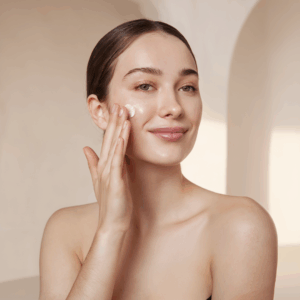
  • Moisturizing regularly: Apply a fragrance-free moisturizer at least twice daily, especially after washing your hands or showering, to lock in moisture.
  • Using gentle cleansers: Choose mild, non-foaming cleansers that won’t strip your skin of its natural oils.
  • Taking shorter, lukewarm showers: Hot water can worsen dryness and irritation, so keeping showers brief and warm—not hot—helps preserve moisture.
  • Running a humidifier indoors: Adding moisture back into the air can help counteract the drying effects of indoor heating.
  • Protecting exposed skin: Wearing gloves, scarves, and protective clothing helps shield your skin from cold air and wind.
  • Avoiding harsh products: Steer clear of fragranced skincare, alcohol-based products, and frequent exfoliation during the winter.


When practiced consistently, these habits help strengthen the skin’s natural barrier, making it more resilient to winter stressors. Many flare-ups begin when dry skin is ignored, so daily prevention is key, especially for individuals with eczema, sensitive skin, or a history of winter flare-ups.

How Should You Treat a Flare-Up Once It Starts?

Even with the best prevention, winter skin flare-ups can still happen. When they do, acting quickly and gently can help calm irritation, shorten the flare, and prevent symptoms from getting worse. The first step is to simplify your skincare routine by pausing exfoliants, retinoids, and fragranced products, and sticking to gentle, hydrating essentials. Moisturizing more frequently with a thick, fragrance-free cream or ointment can help repair the skin barrier and lock in moisture.

It is also important to avoid hot water, washing affected areas with lukewarm water instead to prevent further dryness and irritation. Using prescribed treatments as directed, such as anti-inflammatory creams recommended by your dermatologist, can help reduce redness, itching, and swelling. Protecting irritated skin by covering exposed areas when outdoors and avoiding friction from tight clothing or harsh fabrics is also essential. Once a flare-up starts, the skin needs time and support to heal. Over-treating or using too many products can sometimes make symptoms worse, which is why a “less is more” approach is often best during a flare.

Can Lifestyle Changes Reduce Your Risk of Seasonal Flare-Ups?

Skincare products matter, but your daily lifestyle habits also play a big role in how your skin behaves during the winter. Simple changes to your routine and environment can help support healthier skin and reduce the likelihood of seasonal flare-ups.

Lifestyle factors that can make a difference include:

  • Staying well hydrated: Drinking enough water helps support overall skin health, especially when dry winter air increases moisture loss.
  • Managing stress: Stress can trigger inflammation and worsen conditions like eczema and dermatitis, making flare-ups more likely.
  • Choosing skin-friendly fabrics: Wearing soft, breathable materials like cotton can reduce irritation, while wool and rough fabrics may trigger itching.
  • Maintaining a balanced diet: Nutrient-rich foods—especially those containing healthy fats—help support the skin’s natural barrier.
  • Improving indoor air quality: Using a humidifier and avoiding excessive indoor heat can help prevent dry, irritated skin.
  • Protecting hands and lips: Frequent handwashing and exposure to cold air can lead to cracking and irritation without proper care.

How Can Bryn Mawr Dermatology Help Treat Winter Skin Flare-Ups?

Winter skin flare-ups can make your skin feel dry, itchy, and uncomfortable, but with the right care, they don’t have to take over your season. From eczema and perioral dermatitis to general winter dryness, simple preventive measures and early treatment can make a huge difference. At Bryn Mawr Dermatology, we provide expert guidance, personalized treatment plans, and professional-grade skincare solutions to help keep your skin calm, healthy, and protected all winter long.

Schedule an appointment today to address your winter skin concerns. During your consultation, our skilled dermatologists will evaluate your skin, identify triggers, and recommend a treatment plan designed just for you. Call us at (610) 525-7800 to get started today!

Related Content

Bryn Mawr Dermatology

Content Review Committee at Bryn Mawr Dermatology

Led by Board Certified Dermatologist, Christine Stanko, MD, FAAD, Bryn Mawr Dermatology incorporates a patient-focused outlook in every decision since we first opened our doors on the Main Line in 2005.

By: Bryn Mawr Dermatology, Published: March 4 2024
Medically Reviewed By: Christine Stanko, MD, FAAD –March 3, 2025

Your Skin is Our Business.

For COSMETIC APPOINTMENTS:

For MEDICAL APPOINTMENTS:

NEW & IMPROVED ONLINE SCHEDULING – BOOK NOW!
Call Now Button