MultiFrax vs. Traditional Fractional Lasers: What Makes It Better?
Discover how multifrax compares to traditional fractional lasers and why it delivers better precision and faster recovery.

Shannon Del Grande is now seeing patients in our Wayne/Chesterbrook office.
Skin cancer is not just a summer concern. In the United States, about 1 in 5 people will develop skin cancer by age 70, and melanoma incidence remains a significant public health issue, which is why an annual skin check should be part of your health routine all year long.
An annual skin check can help identify suspicious spots early, allowing them to be monitored over time. This is crucial because skin cancer develops gradually and may not always appear in areas that get the most sun. The American Academy of Dermatology notes that about 9,500 people in the U.S. are diagnosed with skin cancer every day, reinforcing the importance of regular skin monitoring.
In this article, we cover why you should not wait until summer to think about skin cancer, how an annual skin check supports early detection, and when it may be time to book an appointment.
While this article spells out some important information about Annual Skin Check, we highly recommend you read the full article, here are the key points we will focus on:
Skin cancer is often framed as a warm-weather issue because summer brings more obvious sun exposure, more time outdoors, and increased public messaging about sunscreen and sun safety. The seasonal focus is useful, but it may mislead people into thinking skin cancer is only a summer issue.
In reality, skin cancer is a year-round health concern. About 112,000 new melanomas are expected to be diagnosed in the United States in 2026, which reinforces the need for ongoing skin awareness beyond the summer season. Research has also shown a seasonal pattern in diagnosis, showing that more melanomas are identified in the summer months, likely because people notice exposed skin more often then, not because the risk only exists in summer.
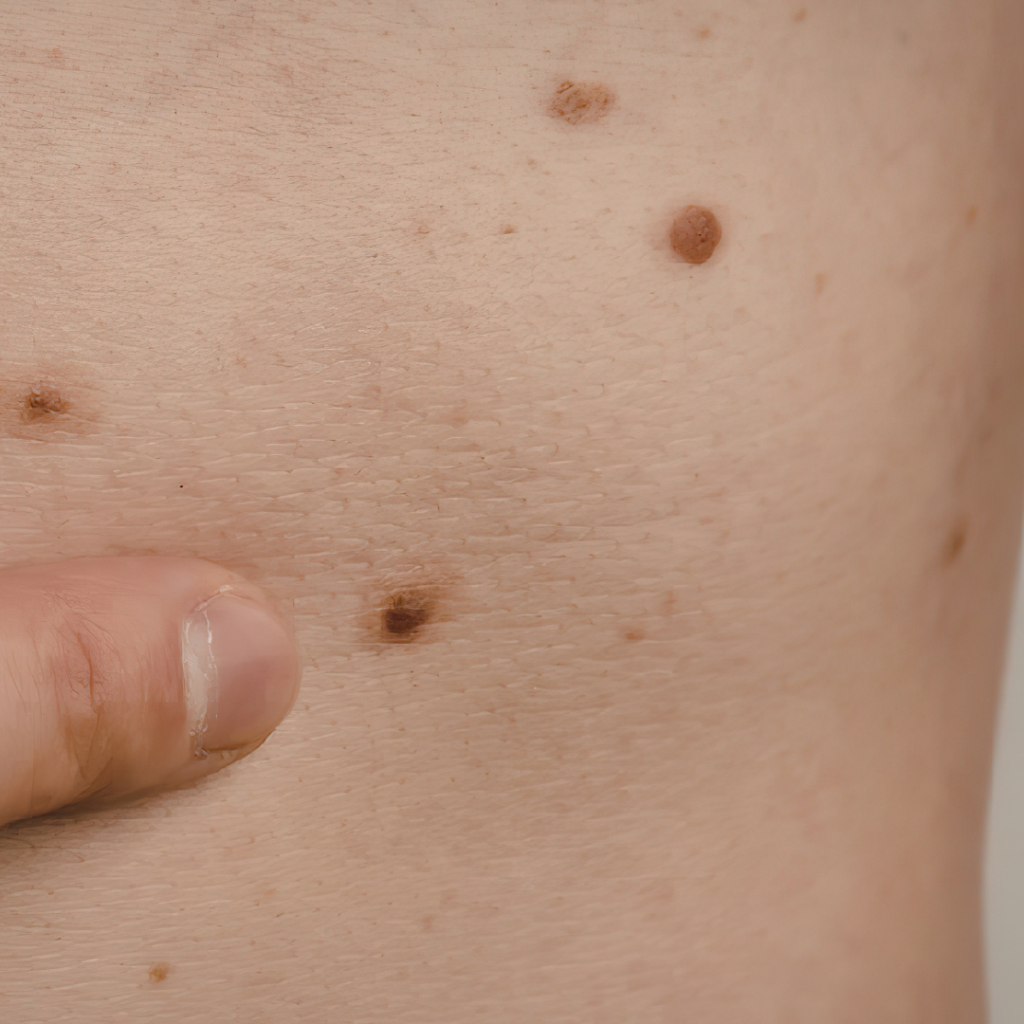
During an annual skin check, the whole body is examined by a dermatologist. During the evaluation, they look for suspicious moles, lesions, or skin changes that could suggest skin cancer or precancerous damage. It is one of the most important ways to catch potential problems early, often before they become more serious or harder to treat. What an annual skin check typically includes:
During an annual skin check, the specialist carefully examines every part of the skin, especially those that are easy to miss on your own. The goal is to identify anything unusual, especially spots that have changed in size, shape, color, or texture. These appointments are especially valuable because some skin cancers can develop in subtle ways that are not always obvious to patients.
These checks help to establish a baseline, so your provider can track changes over time and determine whether a spot is stable or evolving. Bryn Mawr also highlights that many lesions patients worry about turn out to be benign, while some medically important changes are often overlooked without expert evaluation.
Not everyone has the same level of skin cancer risk, but some people should be especially proactive about regular skin checks. In the United States, more than 9,500 people are diagnosed with skin cancer, highlighting why early detection and regular screening matter so much for higher-risk groups.
Certain risk factors are strongly linked to a higher chance of developing melanoma and other skin cancers. UV exposure remains the most preventable risk factor, while lighter skin tone, a tendency to burn or freckle, a large number of moles, older age, and a personal or family history of skin cancer all increase risk. The CDC also notes that tanning and repeated sunburns are important warning signs, and the AAD reports that having five or more blistering sunburns between the ages of 15 and 20 increases melanoma risk by 80%.
People at higher risk often benefit from more consistent dermatology follow-up, not just occasional self-checks. Early detection makes a major difference: when melanoma is found early, the 5-year survival rate is 99%, which is one reason regular skin exams are so strongly encouraged for at-risk patients. Risk groups who should consider regular skin checks include:
During a skin check, dermatologists are looking for anything unusual, changing, or potentially cancerous. The goal is not just to spot obvious warning signs but also to identify subtle changes that may suggest early skin cancer or precancerous damage before they become more serious. They are looking for:
One of the main things dermatologists assess is whether a spot follows common warning patterns associated with skin cancer. This includes checking for asymmetry, uneven borders, multiple colors, increasing size, or changes over time. They also pay attention to texture, elevation, and whether a lesion itches, bleeds, or heals poorly. Even small differences can matter, especially when a spot stands out from surrounding moles or marks.
Dermatologists are trained to identify signs of the most common skin cancers, including basal cell carcinoma, squamous cell carcinoma, and melanoma. That is why professional skin exams are so important. They help detect problems early, provide reassurance when a spot is benign, and determine whether closer monitoring, biopsy, or treatment is needed.
Annual skin exams are important, but what you do between visits matters just as much. Daily sun protection, regular self-monitoring, and avoiding preventable UV damage can significantly reduce your risk of skin cancer and help you notice changes earlier.
Smart ways to protect your skin between annual checks:
Sun protection works best when it is part of your routine, not something you only think about on hot or sunny days. The CDC recommends shade, protective clothing, sunglasses, and broad-spectrum sunscreen. AAD specifically recommends a water-resistant, broad-spectrum sunscreen with SPF 30 or higher for skin not covered by clothing.
The Skin Cancer Foundation emphasizes a more complete approach that includes daily sun-safe habits and early detection and notes that regular use of SPF 15 or higher sunscreen can reduce melanoma risk by 50% and squamous cell carcinoma risk by about 40% when used as directed.
Monthly self-checks can help you catch changes between annual appointments, but you should not wait for your next routine exam if something looks concerning. A new mole, a changing lesion, a rough patch, or a sore that does not heal should be evaluated sooner rather than later.
Annual skin checks are one of the simplest ways to stay proactive about skin health. This article covers the importance of annual exams, people with higher risk, and why professional screening adds an important layer beyond at-home self-checks. At Bryn Mawr Dermatology, patients can access comprehensive skin cancer screenings designed to identify suspicious spots early and guide next steps with clarity and confidence.
If you have questions about a mole, a changing lesion, or your overall skin cancer risk, schedule a consultation with Bryn Mawr Dermatology. Their team provides professional full-body skin cancer screenings, personalized follow-up, and access to advanced treatment options if anything suspicious is found. With convenient locations in Villanova, Collegeville, and Wayne/Chesterbrook, expert skin care is close to home. Book your appointment online or call 610-525-7800 via the contact page to get started.
Published By: Bryn Mawr Dermatology
Medically Reviewed By: Christine Stanko, MD, FAAD

Discover how multifrax compares to traditional fractional lasers and why it delivers better precision and faster recovery.


Winter is the ideal time for peels, lasers, and CO₂ treatments with less sun exposure, smoother recovery, and better skin results.
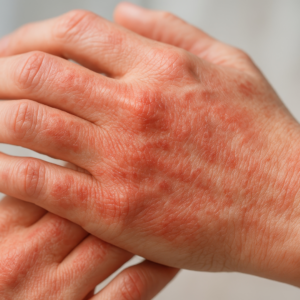
Learn how to prevent and treat winter skin flare-ups with expert tips on hydration, skincare routines, and in-office treatments.

Healthy Skin Month is here! Discover how to protect your skin this winter and book your skincare consultation today!

Celebrate Skincare Awareness Month by making your skin health a top priority. Discover expert tips and book your appointment today!

Do you want to fade acne scars, smooth wrinkles, or remove unwanted hair? Learn how laser skin treatments can help!
For COSMETIC APPOINTMENTS:
For MEDICAL APPOINTMENTS: